 0 m
0 m
A non-custodial, multi-chain wallet for Windows, macOS and Linux, with support for Ethereum and Solana.
Carry your keys. Cross the networks. Keep the route yours.
Vessel here is a window of its own: something you open, check, and close, with your assets and identity in one steady place instead of scattered across browser tabs.
A wallet that sits on your desktop like any other app you trust.
You decide what is held, sent, and shared. The interface stays out of the way.
Web2 habits at the door, Web3 networks beyond it.

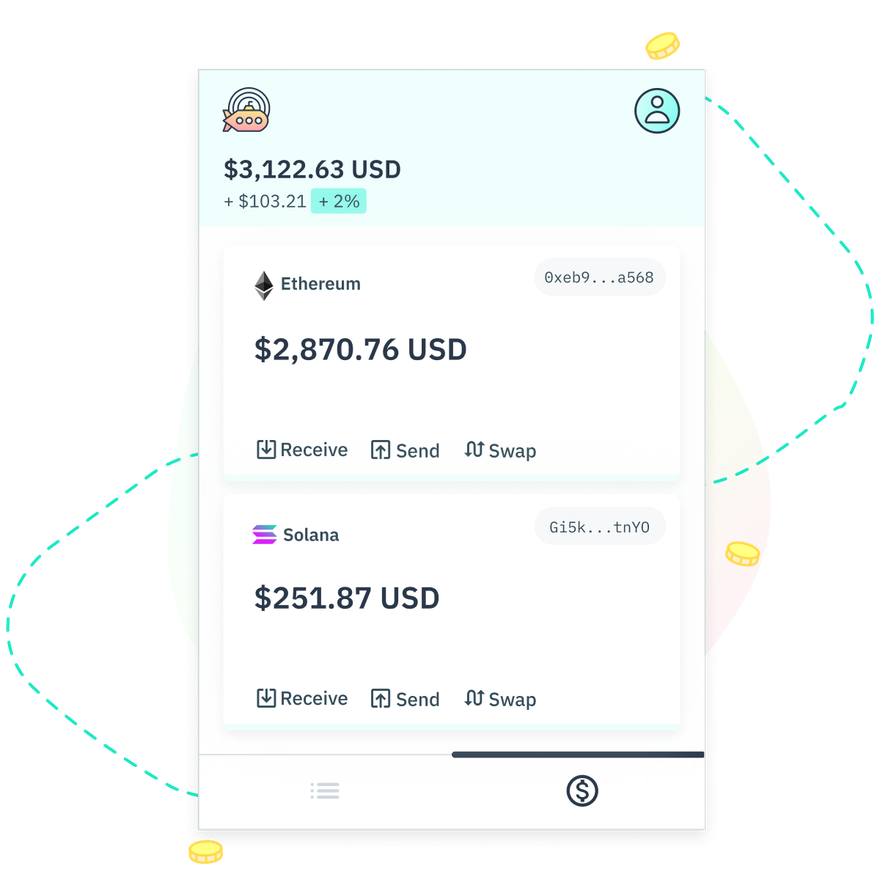
Ethereum and Solana sit side by side in one wallet. You hold the keys; nothing here asks you to trust a promise about returns, because there are none.
A wallet should feel navigable. Security should not feel like a maze.
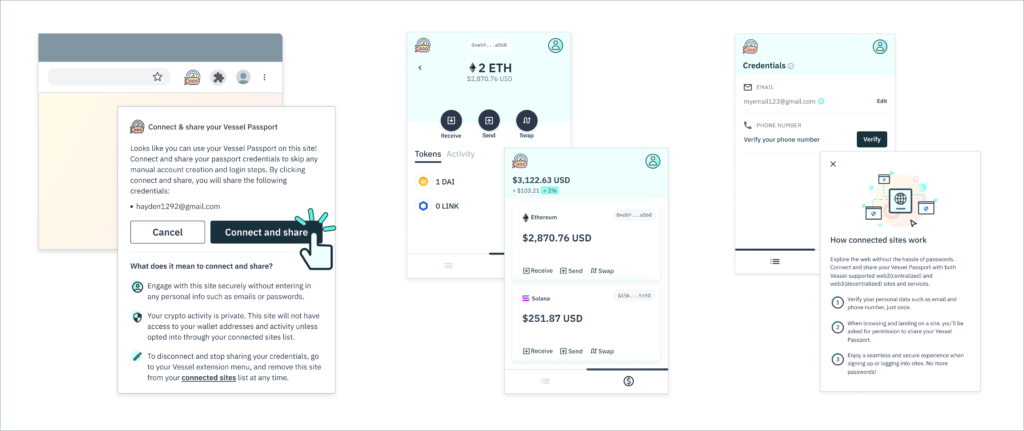
The original Vessel put identity at the front door and aimed to take the edge off seed phrase anxiety by using patterns you already know.
Desktop builds for three platforms are laid out with reserved local file paths. Upload the release files to the matching folders when they are ready.
Mobile versions for iOS and Android are coming soon.
A non-custodial, multi-chain desktop wallet concept built on the identity of the original Vessel, with familiar sign-in and control over your own assets.
Windows, macOS and Linux are the platforms laid out on this page. The local release paths are already reserved.
Ethereum and Solana, the two networks the original Vessel supported. No others are claimed.
No. There is no coin, ticker, rewards program or sale attached to this page.
The original Vessel was described as non-custodial, meaning you control your own keys. That describes a design intent, not a guarantee.
The release paths are prepared. Real files should be published with checksums users can compare.
Not yet. iOS and Android versions are coming soon; this page will list them in Downloads when they exist.
No. The original Vessel launched as a browser extension. This page is about a desktop wallet that runs as its own app.
Stytch built and launched the original Vessel in 2022, and the launch article is the source. The Wayback Machine keeps the old site. Public records list that project as inactive, so this is a brand and revival presence.
No. Other wallet projects with similar names are separate products and are not sources for this page.